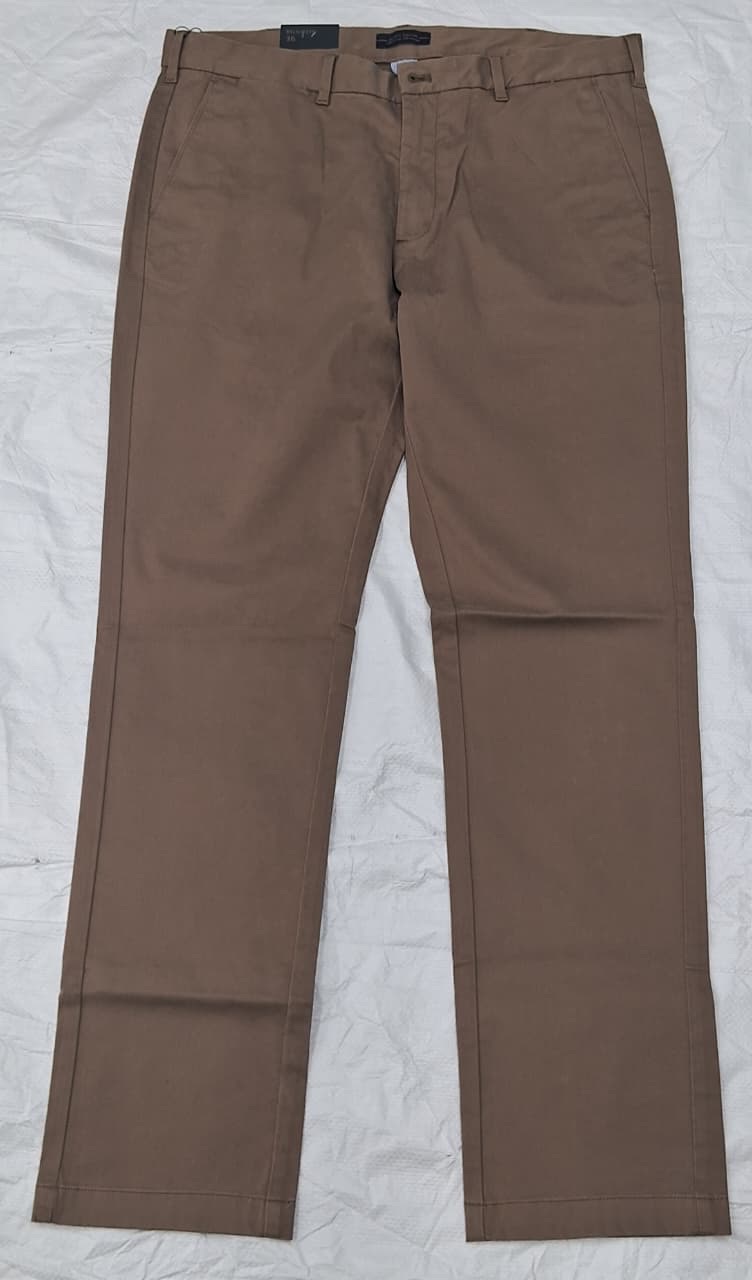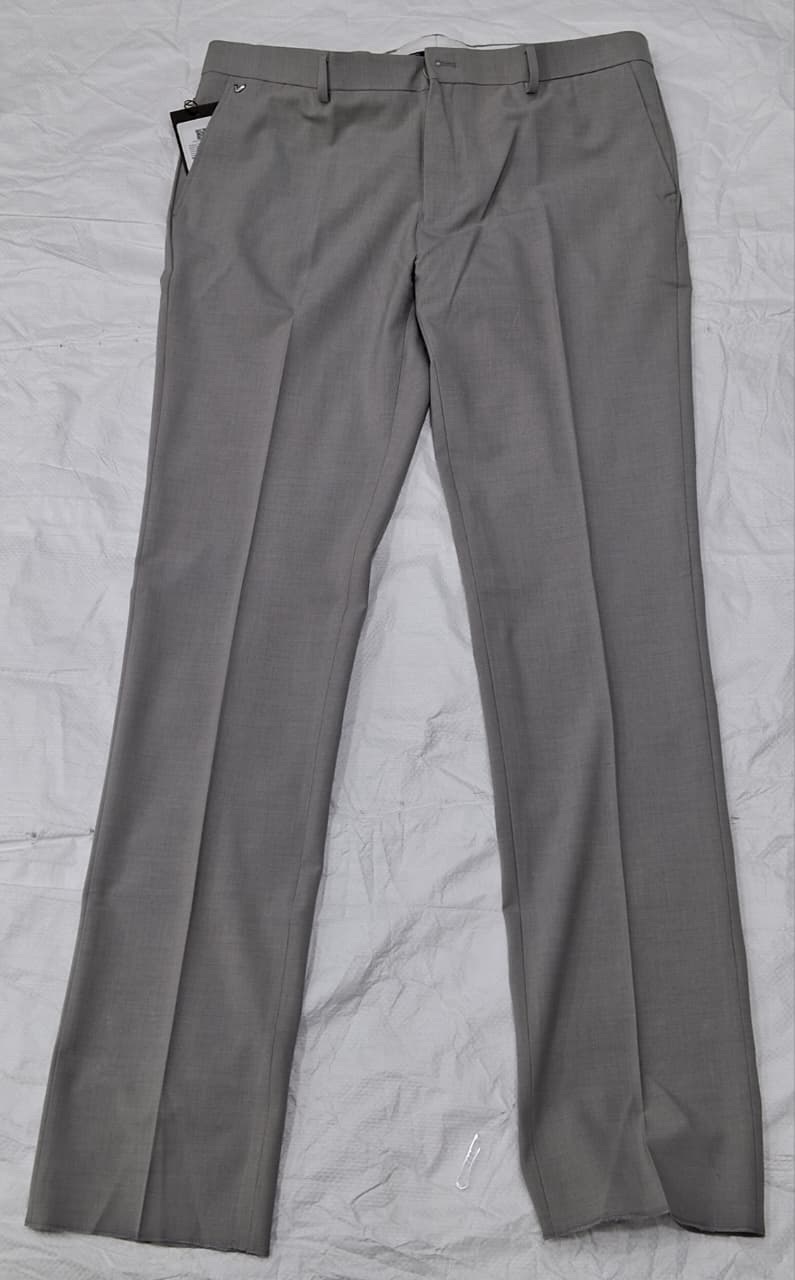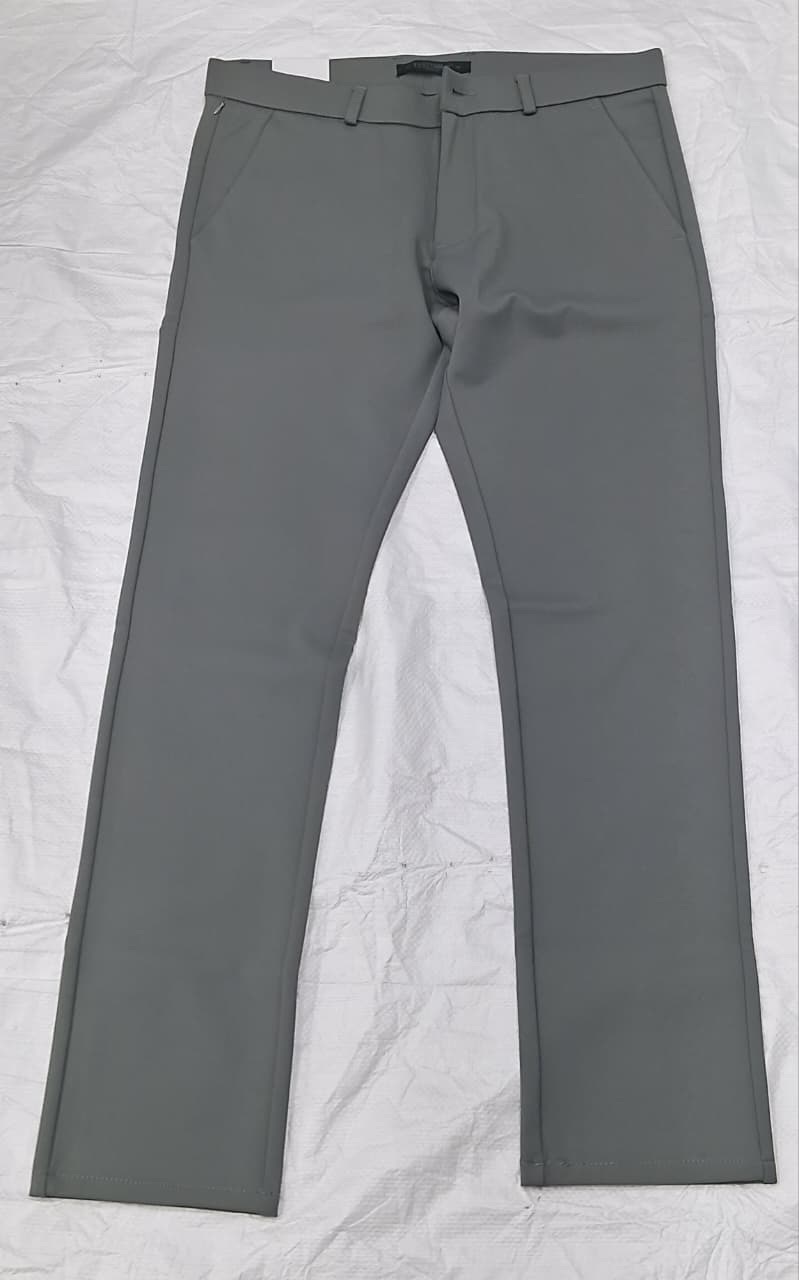
Slim fit
Close at hip and thigh, tapering noticeably from knee to a narrow hem.
Best for slimmer builds and a sharp, modern look. Choose a fabric with a touch of stretch for comfort.
 The Gentleman’s AtelierFormal Trousers · Mumbai
The Measuring Table
Fit is the single biggest factor in how formal trousers look. This guide explains slim, regular, straight, tailored and pleated silhouettes, how each measurement works, and how to read proportion so you can choose with confidence.
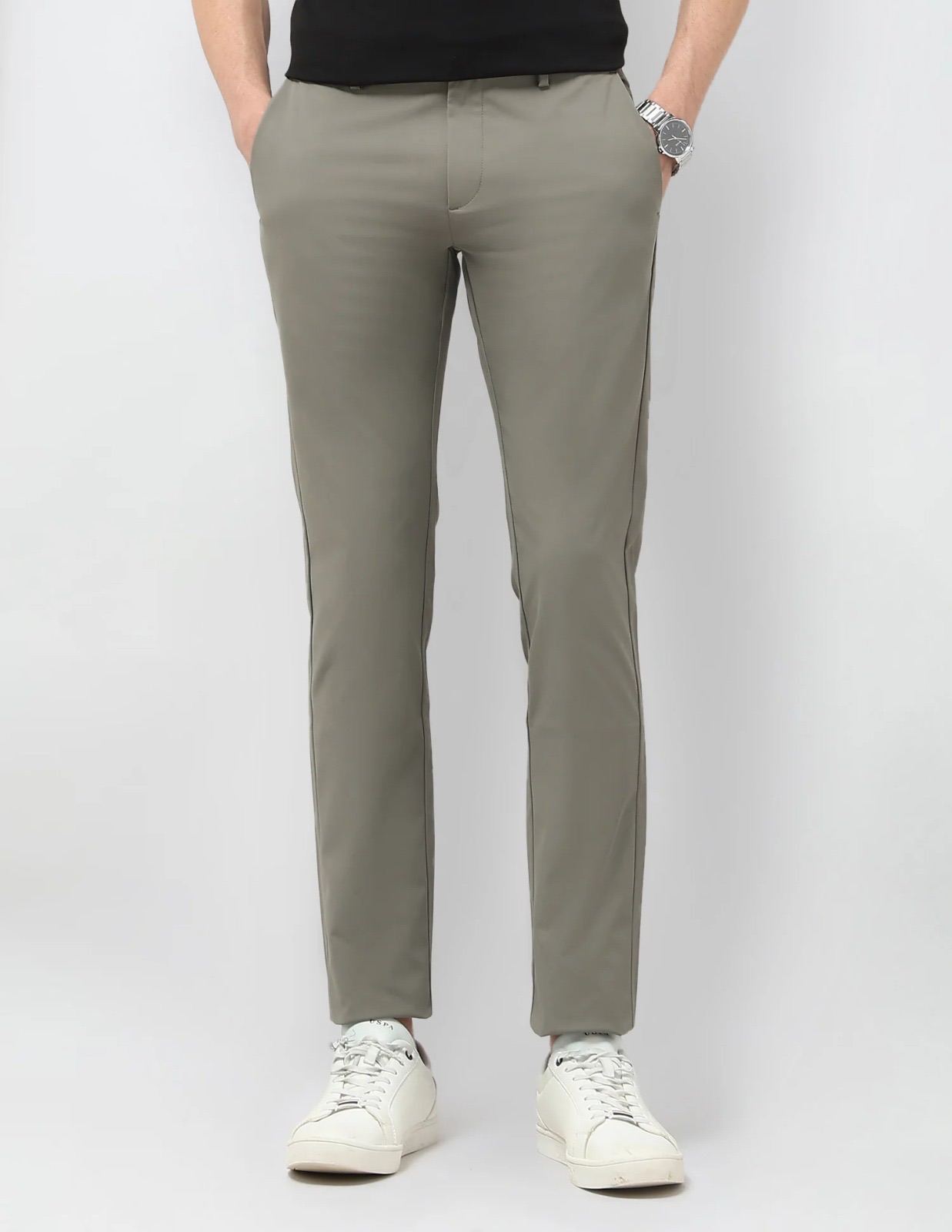
Plate II · The five silhouettes
Each silhouette is a different balance between room and line. None is “correct” — the best choice depends on your build, your shoes and the impression you want to make.
Close at hip and thigh, tapering noticeably from knee to a narrow hem.
Best for slimmer builds and a sharp, modern look. Choose a fabric with a touch of stretch for comfort.
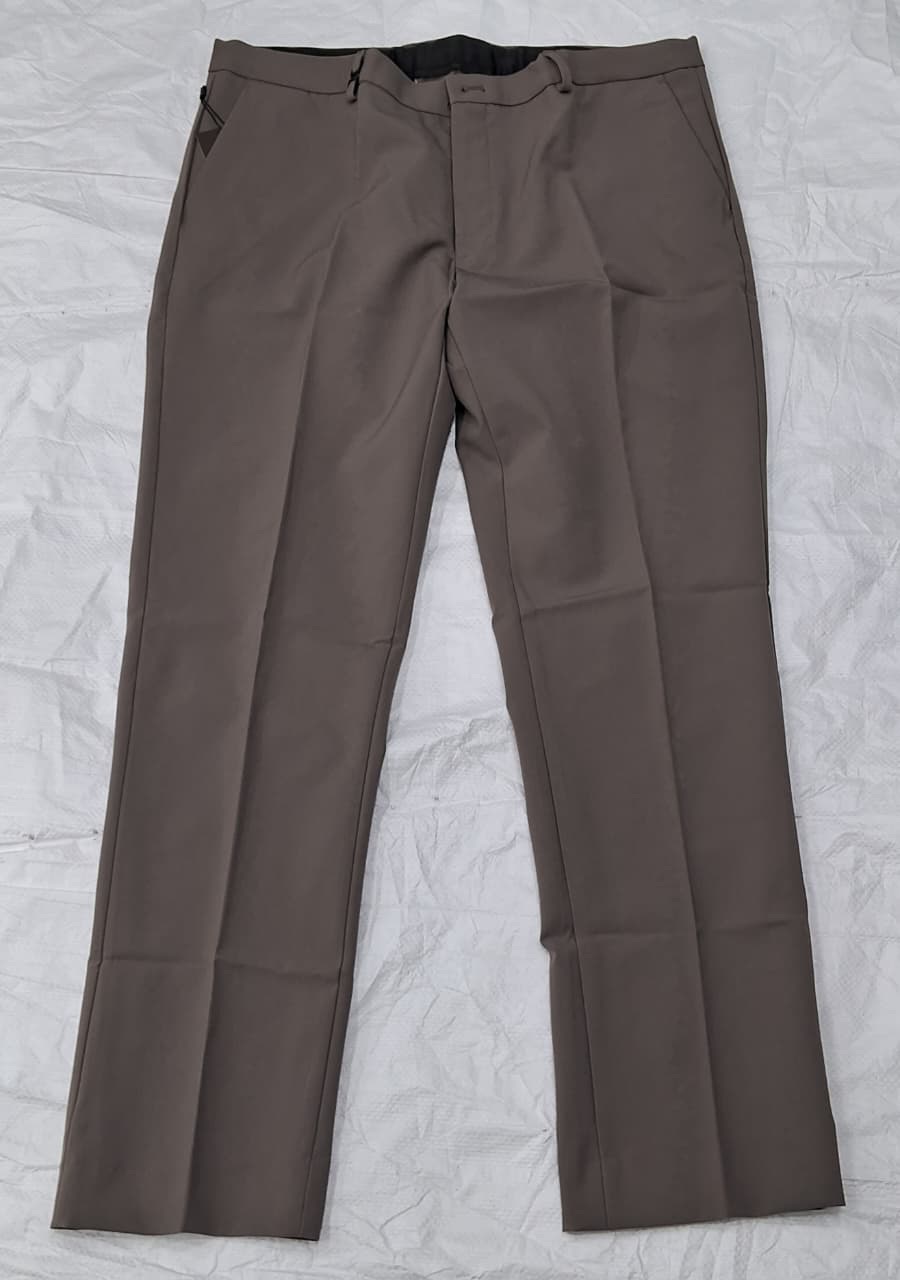
Generous through seat and thigh with a mostly straight leg.
Best for comfort over long days, broader or athletic thighs and traditional workplaces.
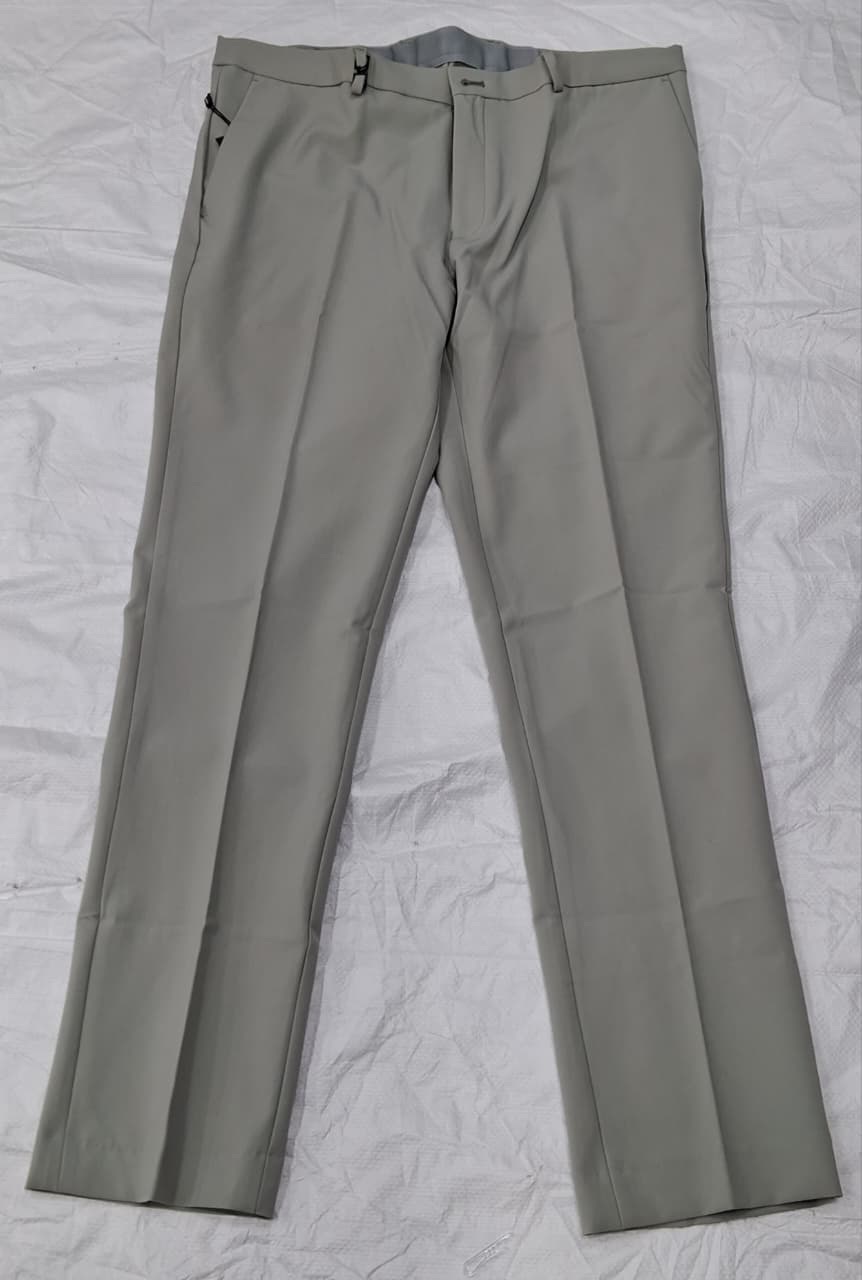
Moderate at the thigh, then an even width from knee to hem.
Best for balanced proportions, taller frames and classic formal shoes.
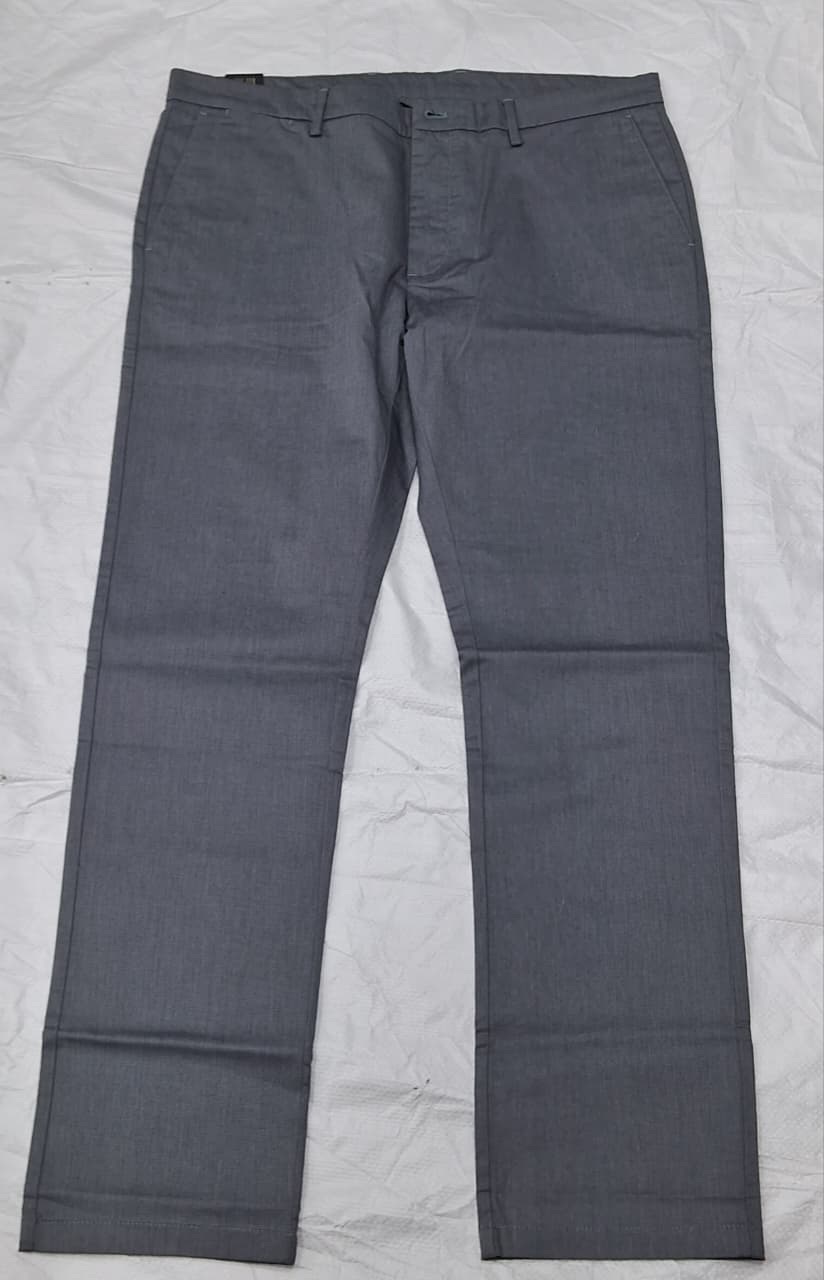
Shaped to follow the body: a cleaner seat, moderate taper and precise length.
Best for a sharp, made-for-you look. Small alterations can bring many trousers to a tailored fit.
One or two folds at the front waist release extra room through the hip and thigh, creating a fuller drape that tapers down.
Best for fuller thighs, comfort when seated and a classic or fashion-led look. Forward pleats open towards the fly; reverse pleats open towards the pockets.
Plate III · The measurements
Each letter on the diagram corresponds to a measurement below. Read them as a checklist in the fitting room — top to bottom.
Formal trousers traditionally sit at or just below the natural waist, a little above the hip bones. The waistband should stay in place without a belt and allow two fingers inside.
Too tight shows as horizontal pulling; too loose shows as gathering under a belt.
Measured around the fullest part of the seat. The fabric should drape cleanly with no strain across the front pockets and no loose folds beneath the seat.
Pockets that flare open are a sign the hip is too snug.
The distance from the crotch seam to the top of the waistband. Low rise sits on the hips, mid rise near the hip bones and high rise at the natural waist. Mid to high rise is the most comfortable and formal.
A longer rise lengthens the leg line and keeps shirts tucked.
Measured around the top of the leg, just below the crotch. You should be able to pinch a little fabric when standing and sit without strain.
Horizontal creases across the thigh mean the cut is too slim for you.
The knee width sets the leg shape. A taper begins at the knee in slim fits; straight fits keep the width all the way down. The knee should not show pull lines when you take a step.
The width of the hem. Narrower openings suit slim shoes and modern looks; wider openings balance chunkier formal shoes. The hem should cover most of the shoe’s heel counter from the side.
Measured along the inseam or outseam to the hem. Always judge length while wearing the shoes you plan to pair — and decide on your preferred break first.
At the back, the hem should sit roughly at the top of the heel.
Plate IV · Trouser break
The break is the fold created where the hem rests on the shoe. It is a small detail with a large effect on how modern — or how traditional — formal trousers look.
The hem just grazes the top of the shoe. Clean, contemporary and ideal for slim and cropped trousers.
A single soft dimple at the front. The modern standard for formal and business trousers.
One clear fold at the front. Classic and safe — balanced for regular and straight fits.
A deep fold resting on the shoe. Traditional and generous; best with wider, fuller trousers.
Plate V · Reading proportion
Proportion is about balance: the trouser should complement your frame and the rest of the outfit rather than compete with it.
Taller men carry straight and regular fits, half breaks and turn-ups well. Shorter men gain length from a mid-high rise, a slimmer leg, a matching belt and little or no break.
Slim builds suit slim and tailored fits. Athletic legs need room in the thigh — try regular or tapered regular. Fuller frames look best in straight or pleated trousers with a clean, unfussy drape.
Sleek oxfords and loafers suit narrow openings and minimal breaks. Heavier derbies and brogues need a slightly wider opening to stay in proportion.