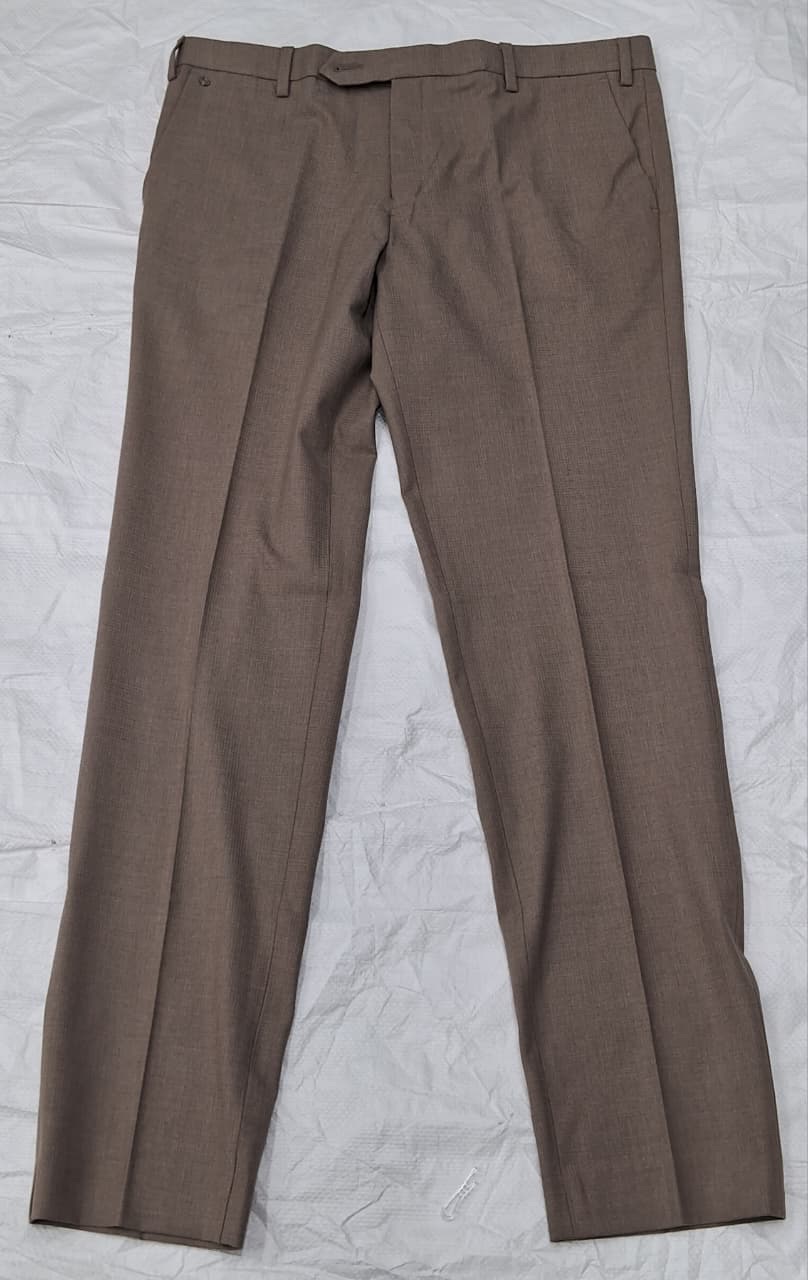
Wool
The benchmark for formal trousers. Wool drapes naturally, breathes, regulates temperature and recovers well from creasing. Lightweight wools suit warm climates surprisingly well.
- Drape
- Breathability
- Easy care
 The Gentleman’s AtelierFormal Trousers · Mumbai
The Cloth Room
Two pairs of formal trousers can share a colour and a cut and still feel entirely different. The difference is cloth and construction. This is a guide to the fabrics used in formal trousers for men — and to the workmanship that separates premium formal trousers from the rest.
General guidance only. Fabric availability varies; please ask Options Mall about current options.
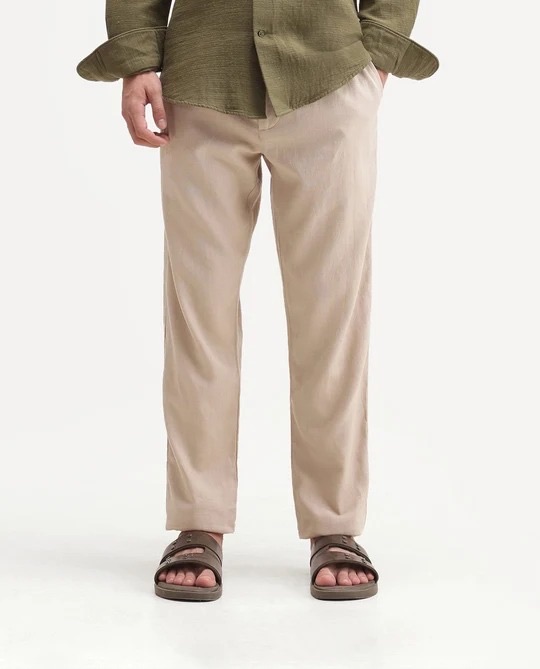
The benchmark for formal trousers. Wool drapes naturally, breathes, regulates temperature and recovers well from creasing. Lightweight wools suit warm climates surprisingly well.
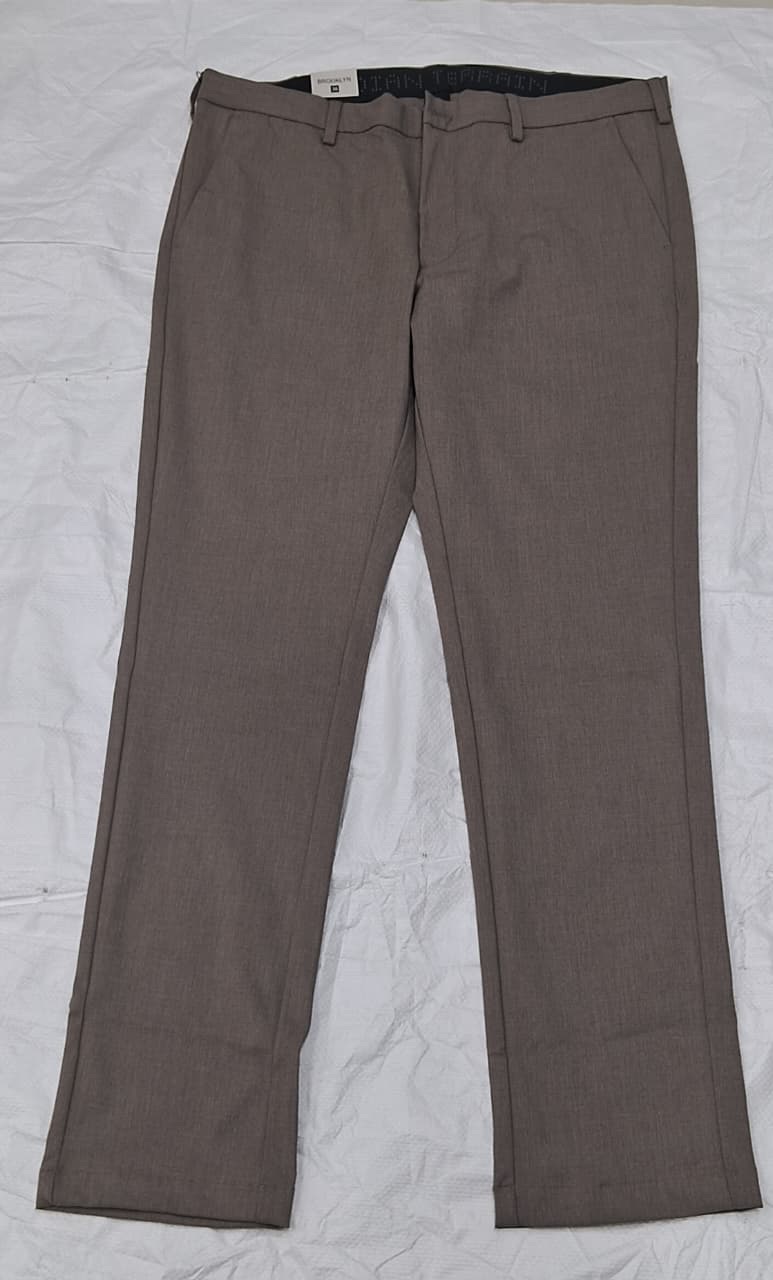
Wool combined with polyester or viscose for added durability, crease resistance and easier care — keeping much of wool’s polished appearance at daily-wear practicality.
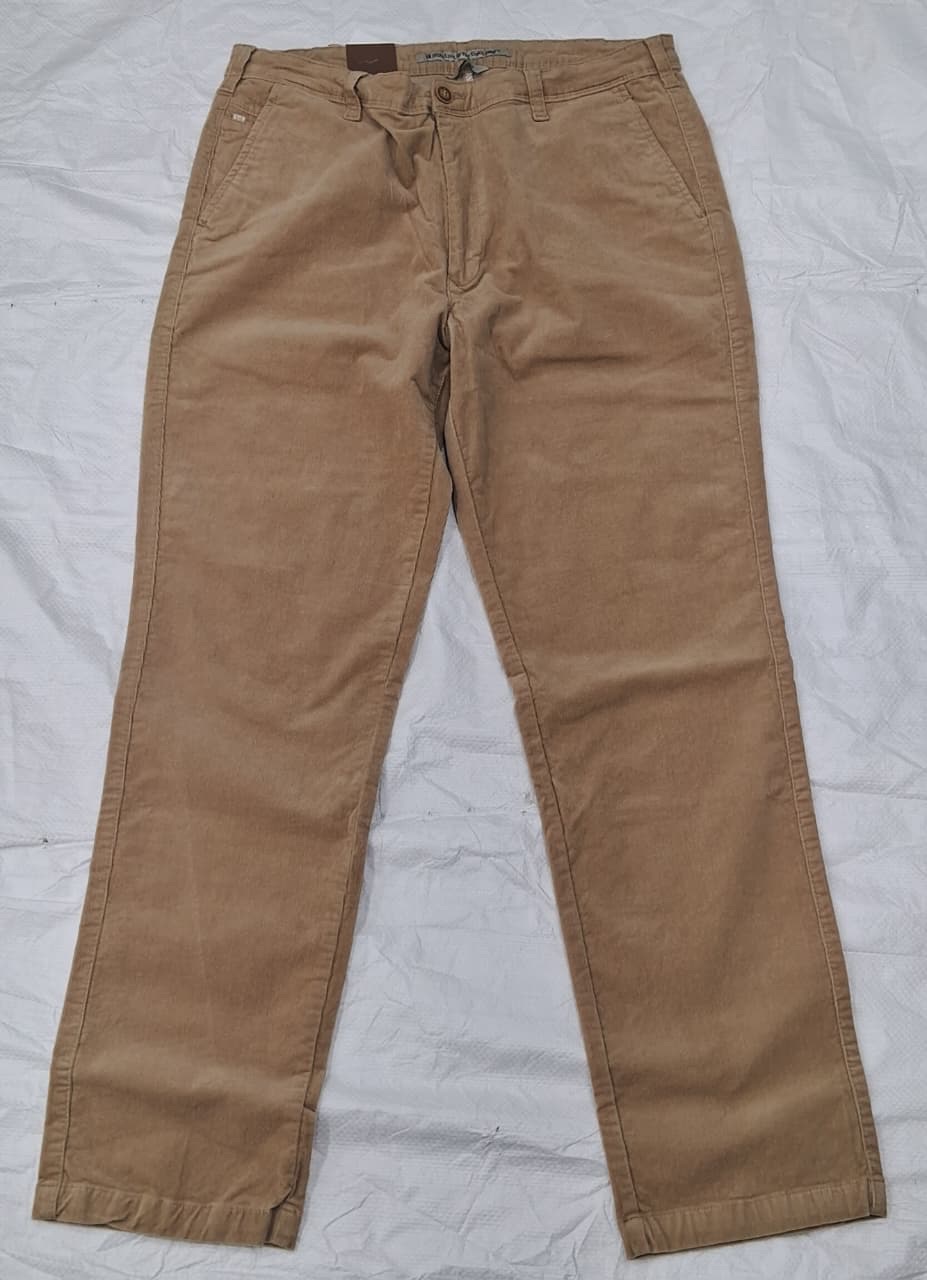
Soft, breathable and comfortable in heat. Cotton trousers have a slightly more relaxed, matte look — ideal for business casual and smart everyday dressing.
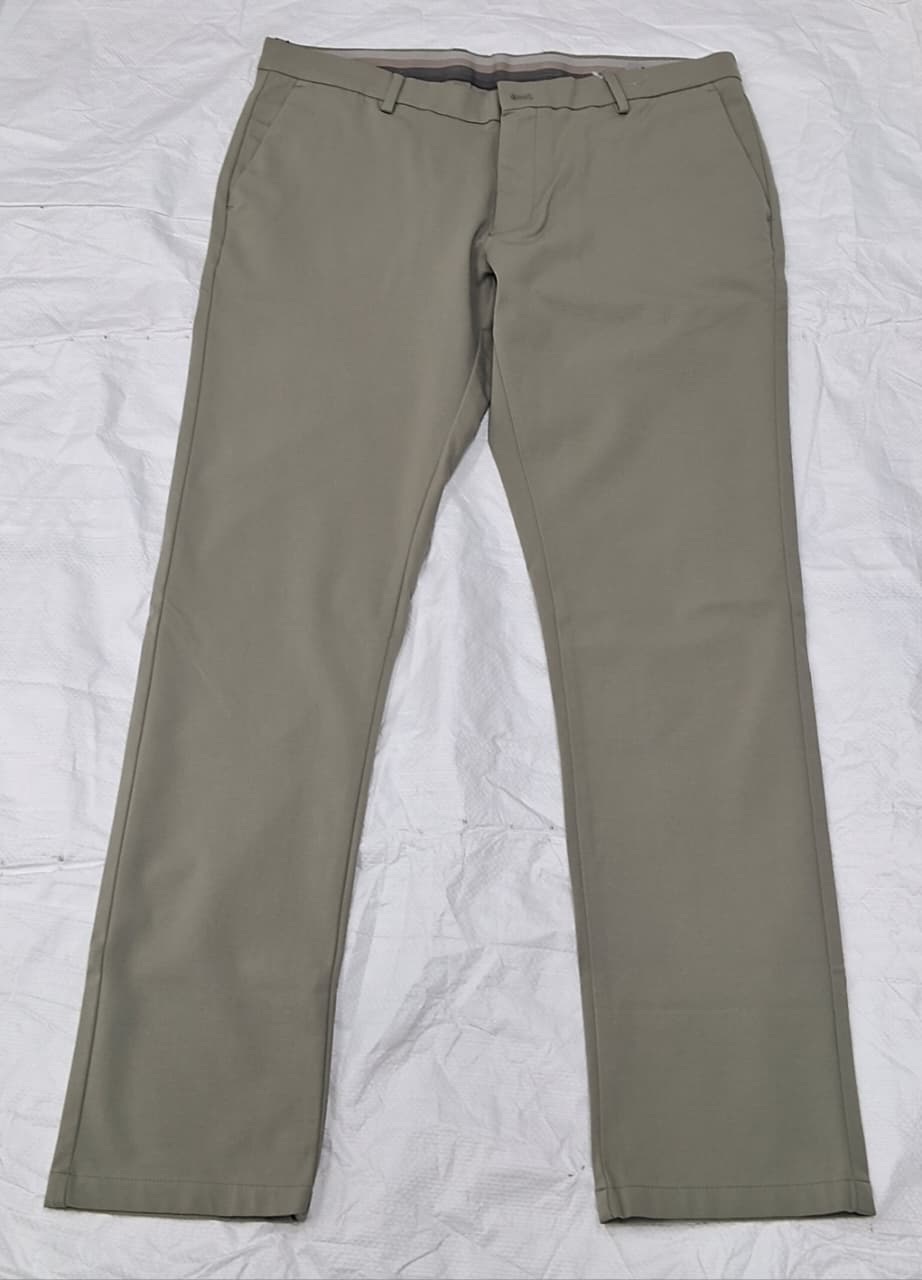
Cotton mixed with polyester or elastane to hold shape and resist wrinkles through the day — the comfort of cotton with a neater, more formal finish.
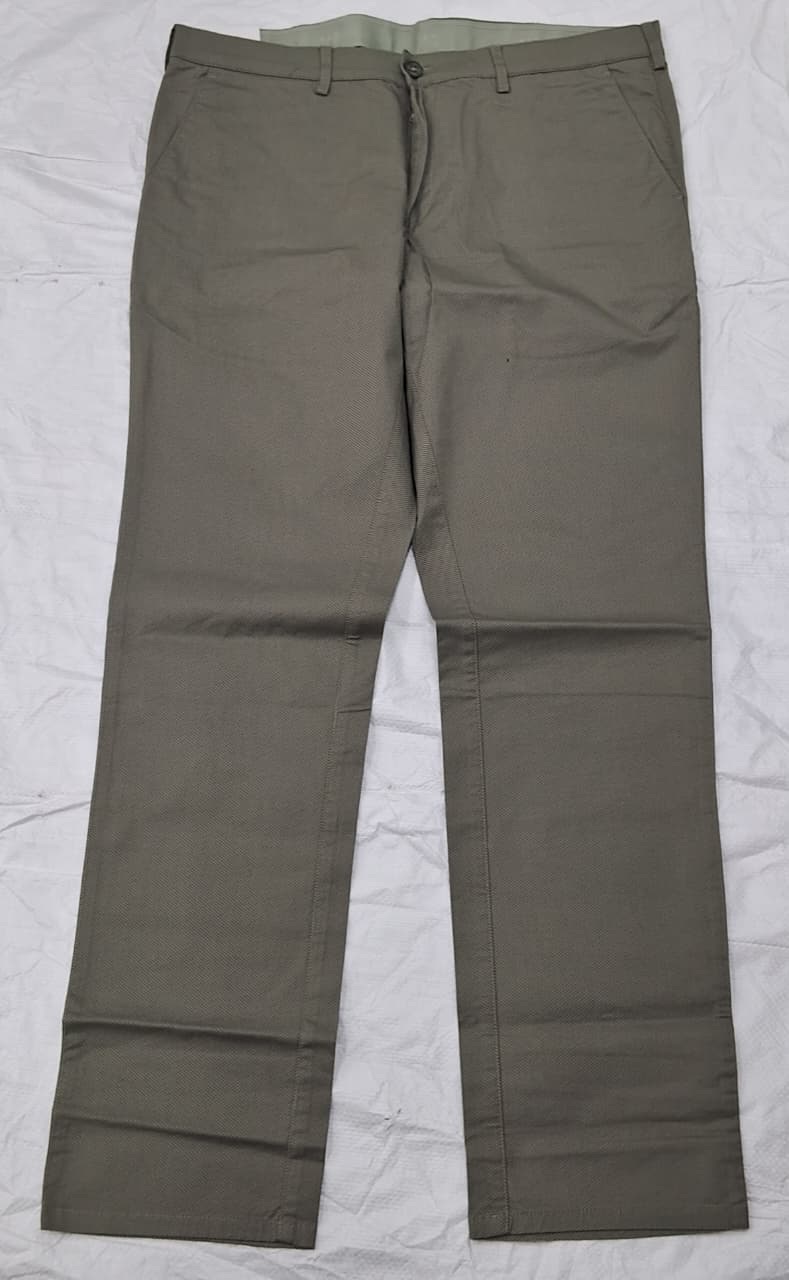
A weave rather than a fibre, recognisable by fine diagonal ribs. Twill is strong, drapes smoothly and disguises creases and wear — a staple for trousers in both cotton and wool.
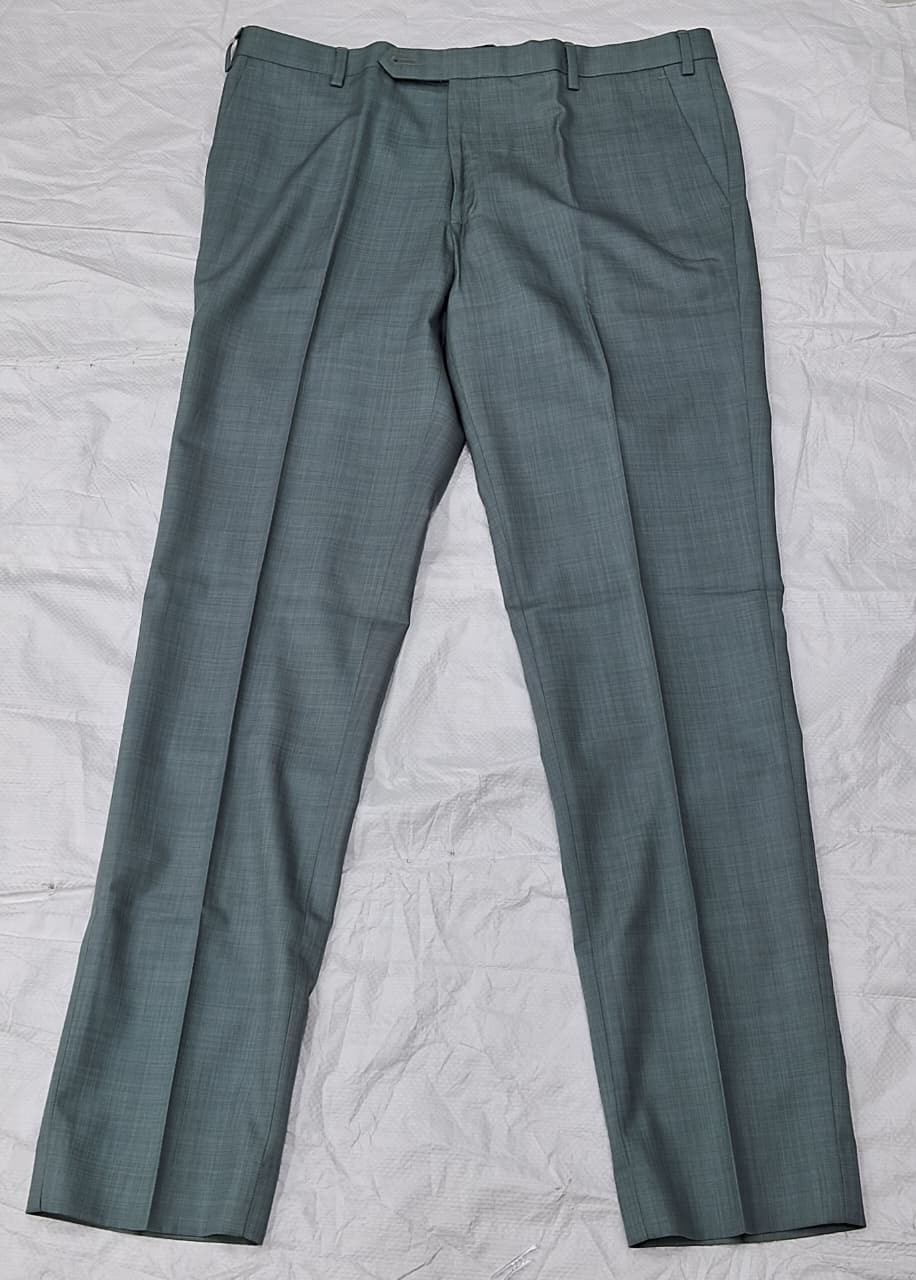
A small percentage of elastane (often 1–3%) adds freedom of movement and shape recovery. Especially welcome in slim fit formal pants and for long, active days.
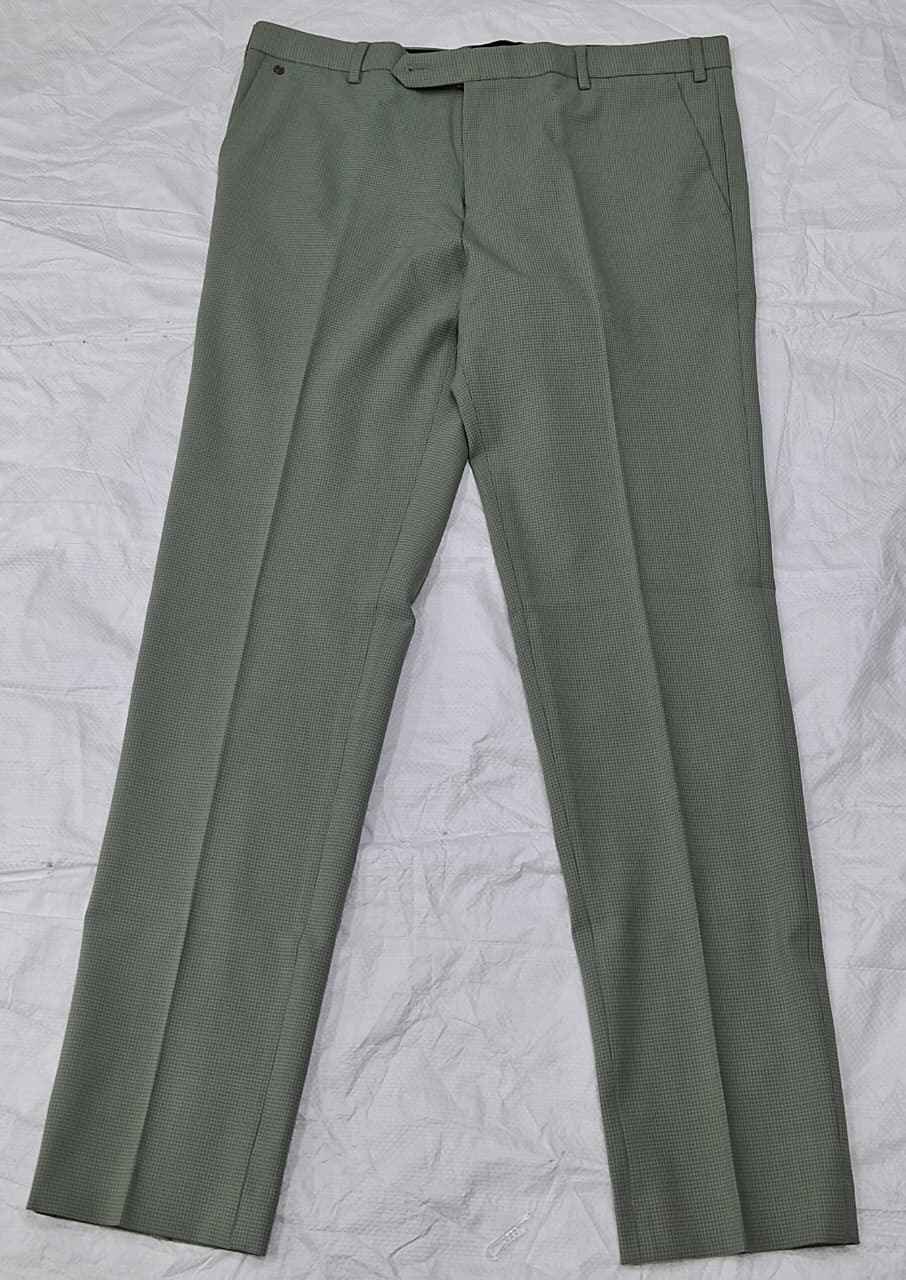
Measured in grams per square metre. Lighter cloths (roughly under 250 g/m²) suit warm weather and Mumbai’s summers; mid-weights are versatile year-round; heavier cloths hold a sharper crease and suit cooler evenings.
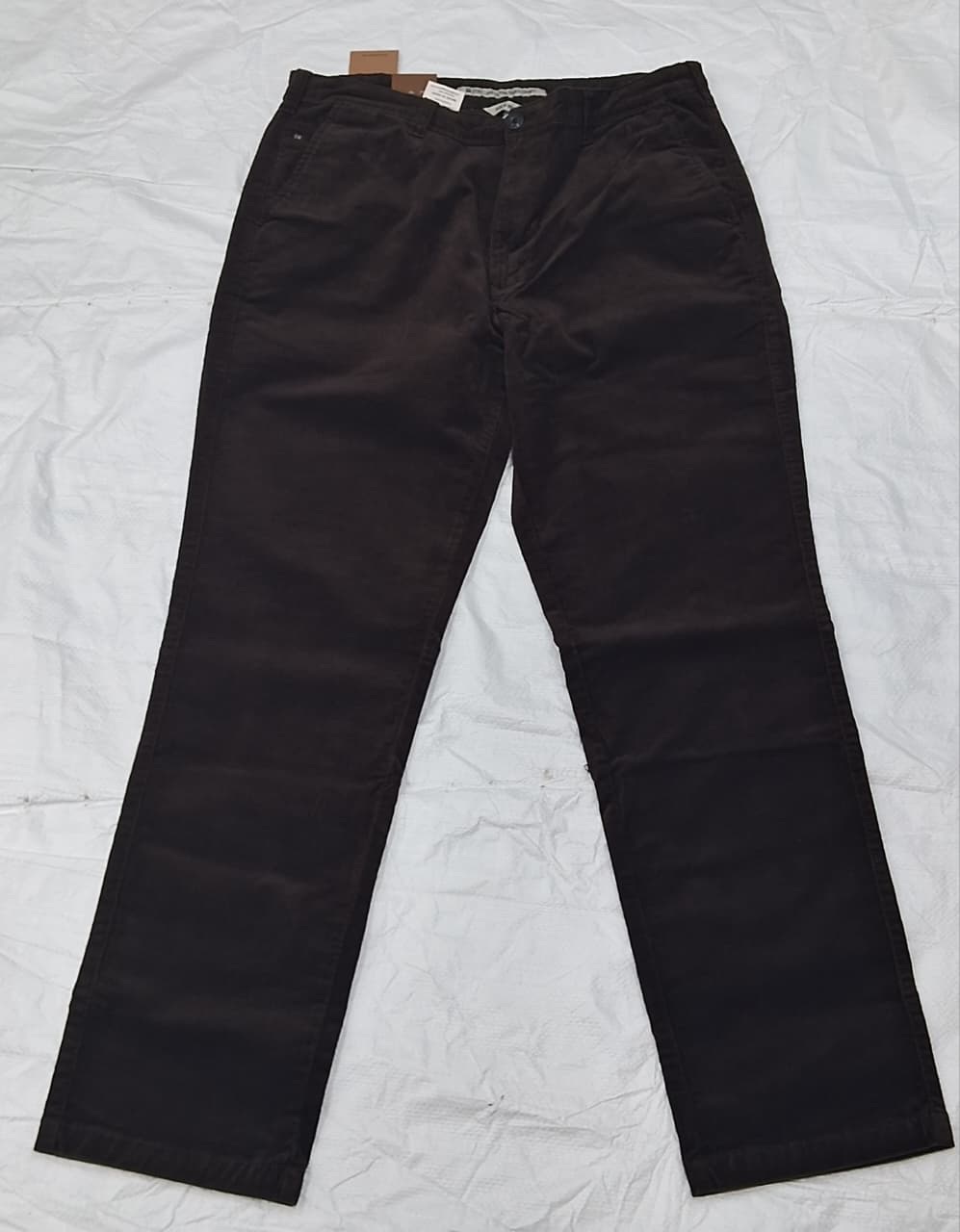
Smooth, flat finishes look most formal. Heathers, micro-checks and visible weaves add depth and character, and lean towards smart-casual. Texture also disguises minor creasing.
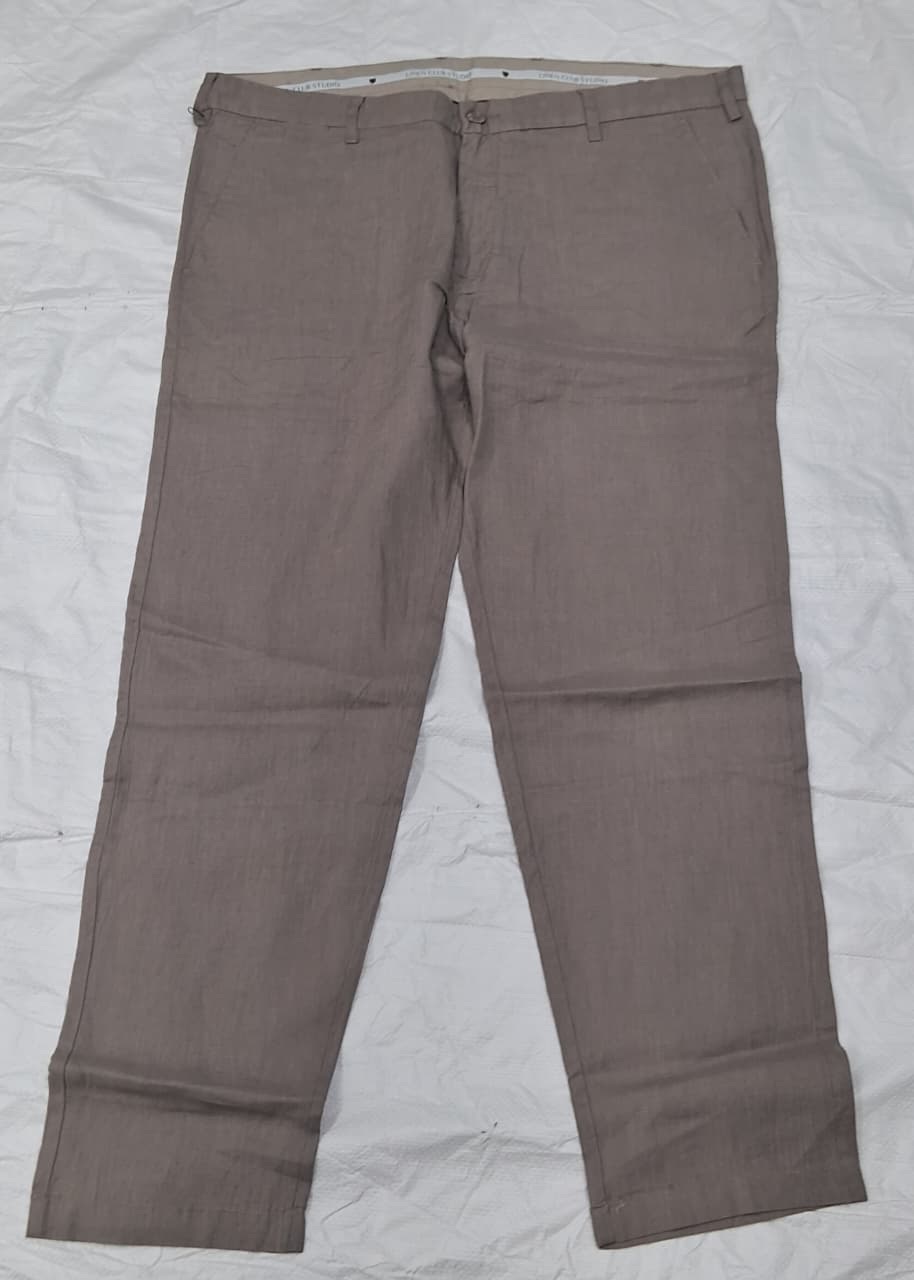
Natural fibres such as cotton, linen and wool allow air and moisture to move, keeping you comfortable in humidity. Open weaves breathe more than dense ones.
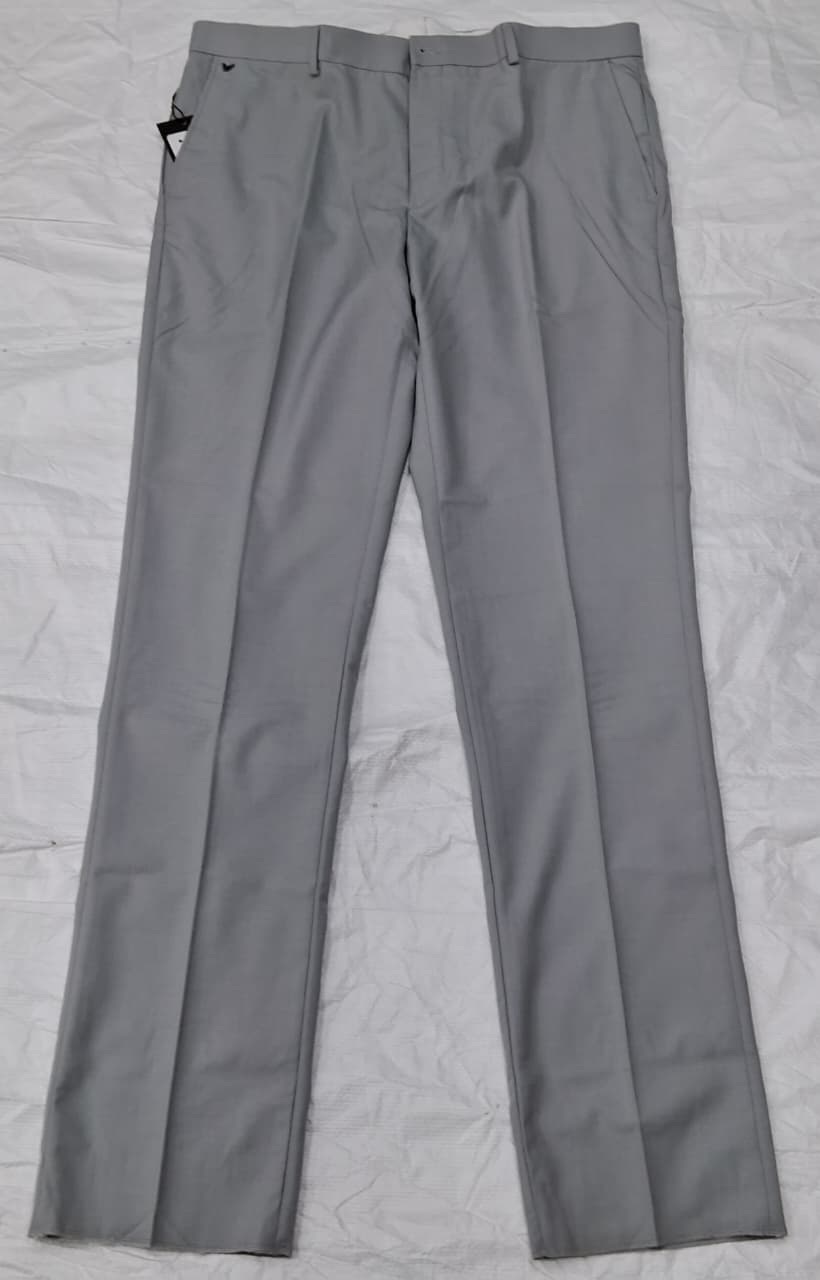
How fabric falls under its own weight. Good drape gives a clean, unbroken line from hip to hem. Hold the trousers up by the waistband — quality cloth hangs straight and settles without twisting.
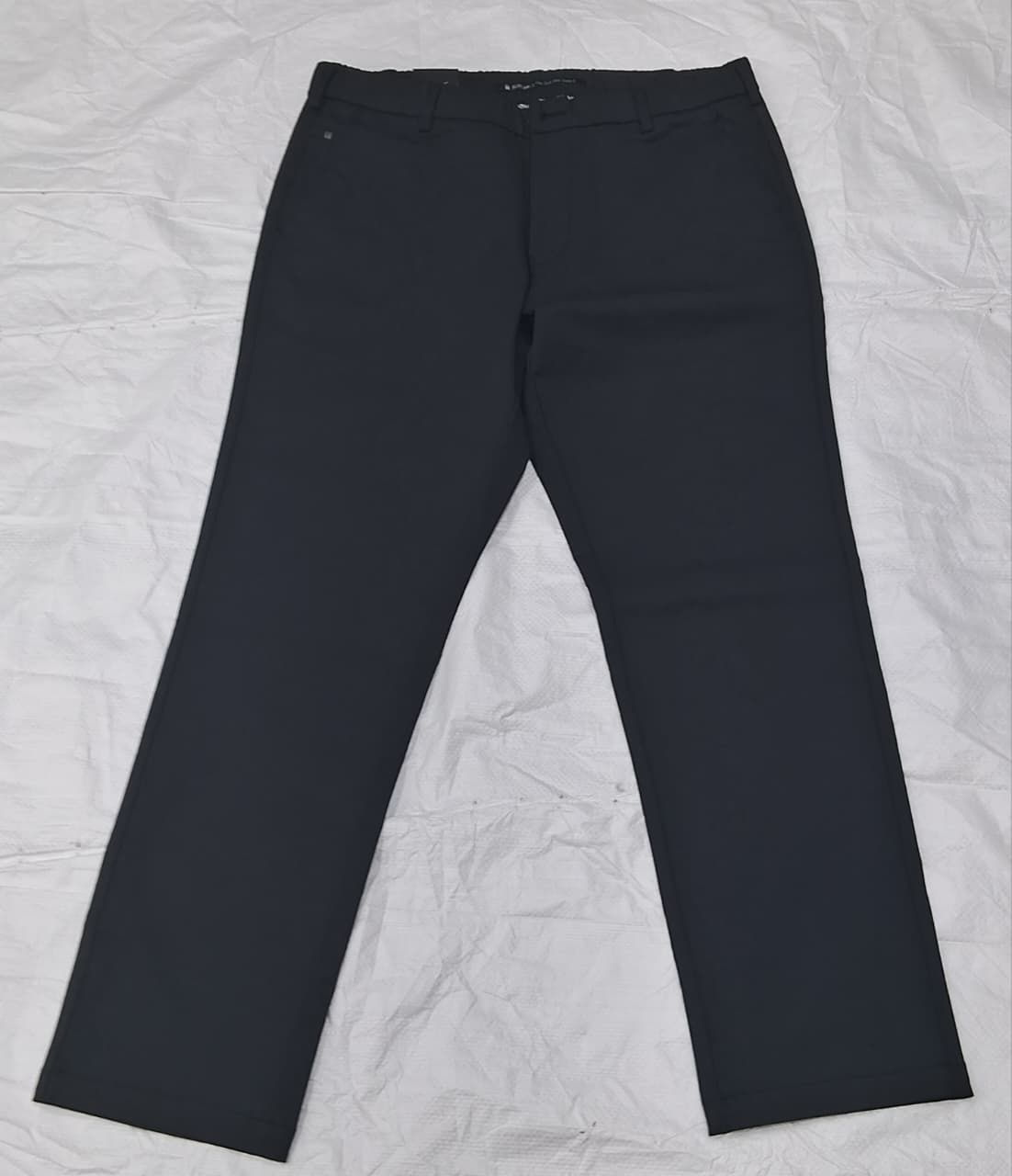
Quality is visible in the places most people never look.
Craftsmanship · Construction
Look for small, even, straight stitches with no puckering along seams. Higher stitch density generally means a stronger, cleaner seam. Check the seat and crotch seams, where stress is greatest.
A well-made waistband is interfaced so it stays flat and doesn’t roll. Some formal trousers include a curtain lining inside the waistband and a split back seam, which helps when adjusting the waist.
Pocket bags should be made from sturdy cotton, sit flat inside the trouser, and be secured at the corners with bar tacks. Jetted back pockets with a button keep the seat line clean.
A hook-and-bar fastening with an extended tab gives a sleeker front than a single button; zips should run smoothly and lie flat behind the fly.
Clean, overlocked or bound inner seams, a neat blind-stitched hem with spare allowance for alterations, and a firm pressed crease are the marks of careful finishing.
Feel the difference
Photographs show colour and cut; only touch reveals weight, texture and drape. Explore the guides, then visit Options Mall in Vile Parle West to see formal trousers in person.